
The Fight Against the Reactive Planning Trap
Getting Things DoneThe book contrasts natural planning with a reverse, crisis-driven sequence that wastes effort before purpose and outcome are understood.
increasing Bearing strength in each event
 decreasing
Bearing strength in each eventdecreasingPlanning Is Postponed
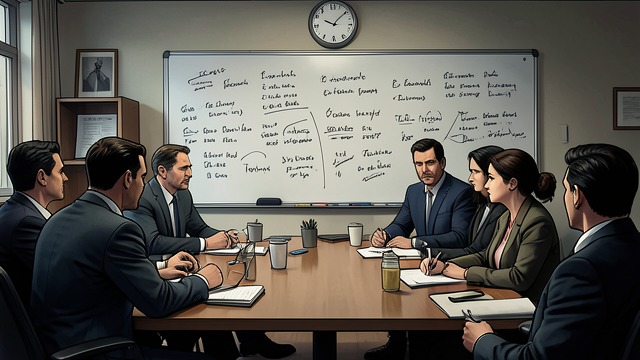
Avoiding the Front End
Resistance to Preparation
People may delay planning meetings and presentations because formal planning seems tedious or detached from real work. They continue without clarifying purpose, vision, or the full set of relevant ideas.
The project advances in appearance while remaining poorly understood.
The Risk Accumulates
When important decisions are not made early, dependencies and responsibilities remain hidden. A deadline can then expose what has not been considered.
The book presents crisis as a common consequence of planning postponed, not as proof that planning is unnecessary.
Action Becomes the First Resort
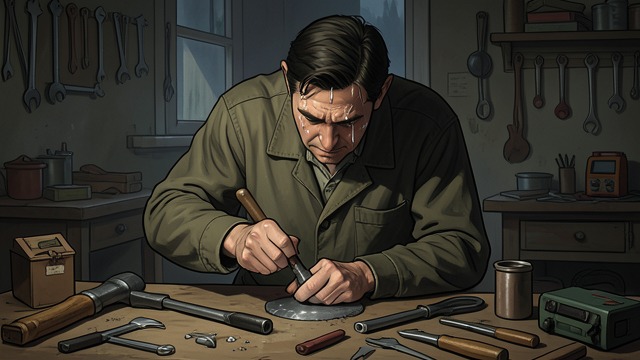
Work Harder First
The Reactive Response
When problems arrive, groups often respond by taking immediate action, adding overtime, or bringing more people into the situation. The instinct is to become busier before understanding what result is actually needed.
Urgency becomes the organizing principle.
Activity Without Direction
People can spend substantial effort while still lacking a clear definition of the desired outcome. More movement does not necessarily reduce the underlying uncertainty.
The first stage of the reactive model can intensify pressure without resolving the project’s design.
Boxes Replace Understanding
Organization Is Added Too Soon
Redrawing the Structure
Someone proposes organizing the situation, and the group draws or relabels boxes around the problem. This may give the appearance of control while leaving purpose and vision unresolved.
The structure is not yet grounded in a sufficiently clear result.
Formality Cannot Supply Meaning
A chart or outline cannot decide why the project matters or what success looks like. Without those foundations, formal organization may rearrange confusion rather than eliminate it.
The sequence exposes the danger of using structure as a substitute for thinking.
Brainstorming Comes Late
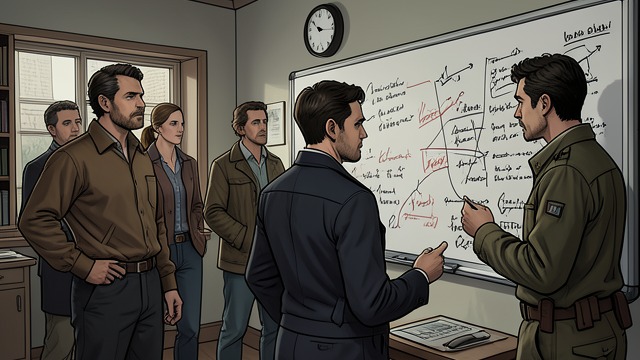
Searching for a Good Idea
Creativity Under Pressure
The group calls for brainstorming only after busy action and reorganization have failed. Participants are asked for a good idea before the purpose, vision, and relevant information have been established.
The demand can constrain the very creativity it seeks.
A Reverse Sequence
In the natural process, ideas follow a clear outcome and precede deliberate organization. The reactive model reverses this sequence and asks people to evaluate too early.
The result may be silence, political maneuvering, or superficial suggestions rather than useful exploration.
Purpose Returns at a Cost
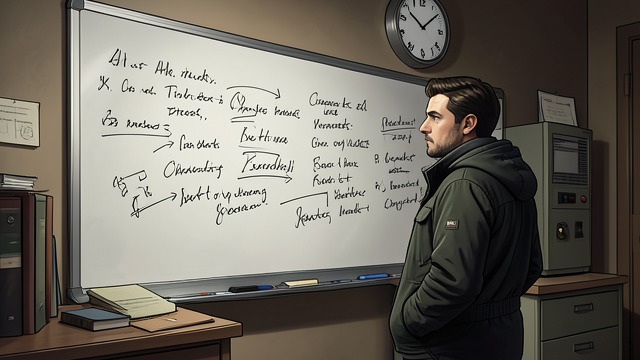
The Consultant Asks Why
The Missing Question
After activity, organization, and brainstorming have failed to create movement, a consultant may ask what the group is really trying to accomplish. Purpose and vision finally enter the discussion.
The question could have guided the earlier work.
A Lesson in Sequence
The reactive model eventually circles back to natural planning, but only after time, energy, and stress have been spent. Allen’s alternative is to consider purpose and outcome before escalating activity.
The conflict resolves in favor of front-end thought, where clarity can shape every later stage.
Before a project becomes urgent
When the situation starts to break down
After added effort fails to settle the problem
After structural fixes fail
Near the end of the reactive sequence
